

Most Popular Weight loss Surgery Procedures






Weight Loss Surgery in Puerto Vallarta
Dr. Armando Joya
Obesity Center
Recover your life in Puerto Vallarta
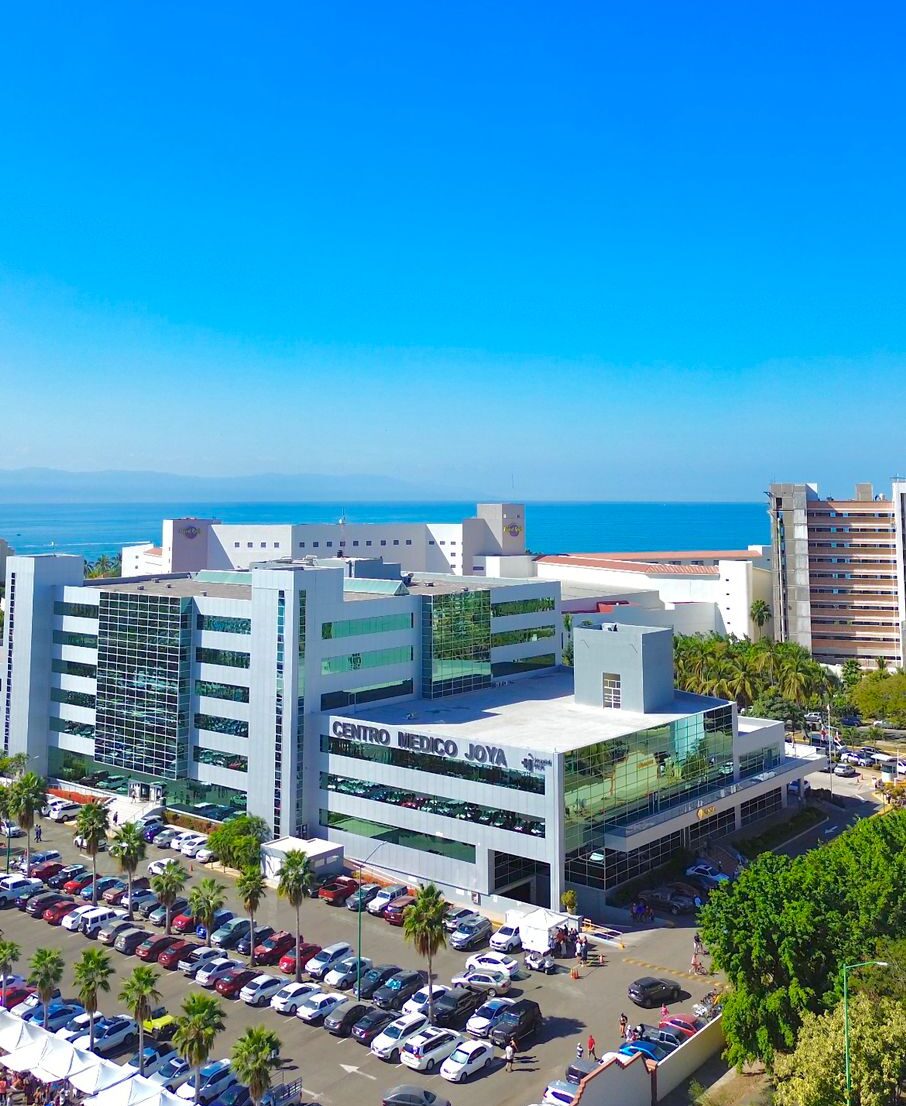
Our obesity center is located in the beautiful and peaceful Nuevo Vallarta, where you can immerse yourself in a serene environment.
Our packages are designed to provide you with optimal comfort and convenience throughout your entire surgical journey. Our state-of-the-art equipment and facilities, combined with our cohesive team of certified medical professionals, ensure that you receive the highest level of care possible.
As your healthcare partner, we strive to provide you with a seamless and stress-free experience. To add to your comfort, our host hotel is located right beside the hospital, allowing you to enjoy a hassle-free stay throughout your recovery period.
Weight loss surgery in Puerto Vallarta
Certified medical professionals
with over +25 years of experience
Our team consists of experienced and specialized doctors, nutritionists, and support staff, all dedicated to helping you achieve your health goals. We understand that each patient is unique, and we customize our services to meet your specific needs.

DR. ARMANDO JOYA
Chief Bariatric Surgeon
DR. CARLOS ARMANDO
Bariatric Surgeon ⋅ Endoscopy ⋅ More
LIC. NATALIE BATILLIOT
Bariatric Nutrition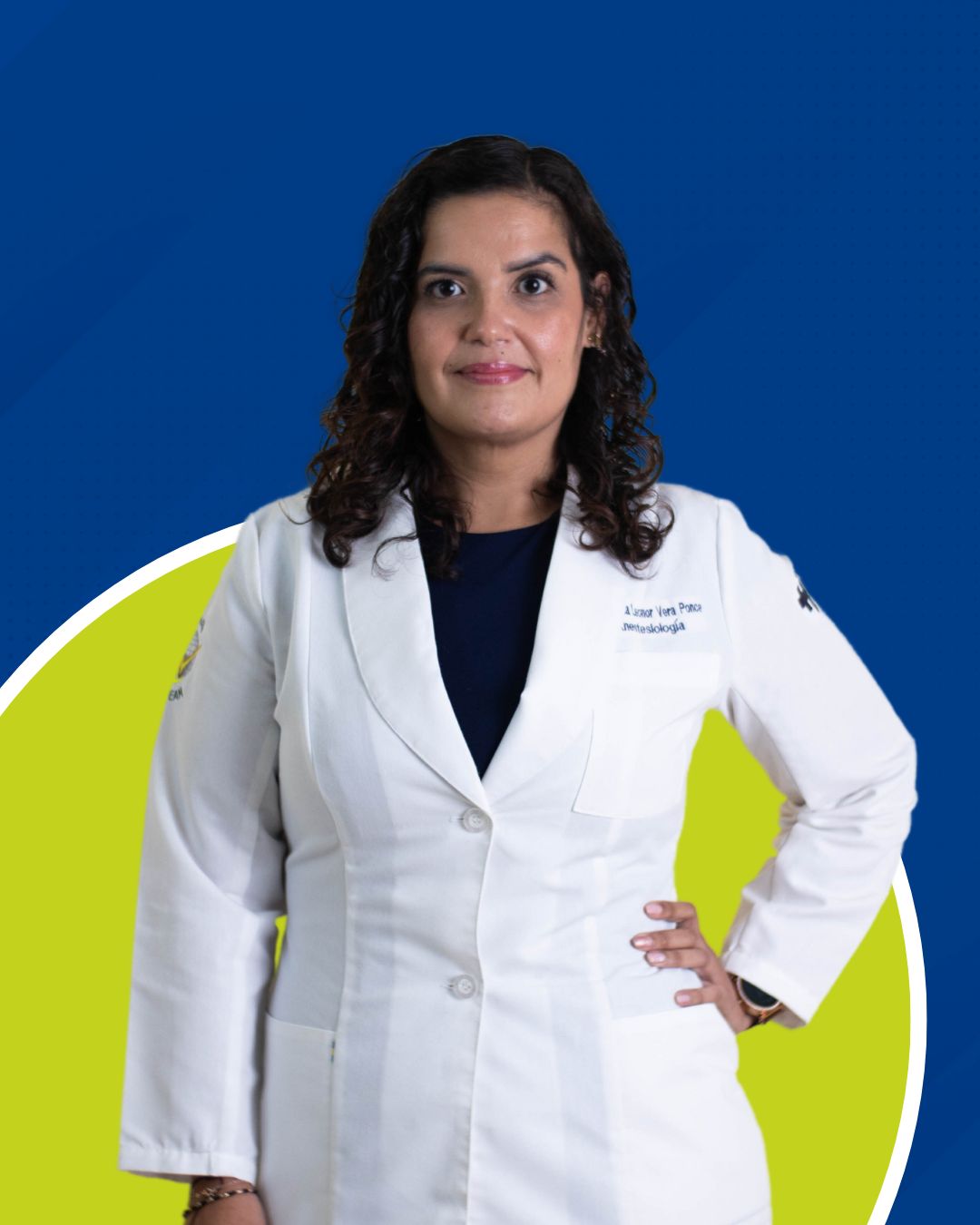
DRA. ATENA VERA
Anesthesiology
DRA. DANIELA MARTINEZ
Anesthesiology
DRA. MARIA FERNANDA
Bariatric Surgeon
DR. ALDO CURIEL
Internal Medicine
DR. ENRIQUE ROSALES
Bariatric Surgeon ⋅ Endoscopy
DR. JOSÉ ESPINOZA
Bariatric Surgeon ⋅ Bariatric Nutrition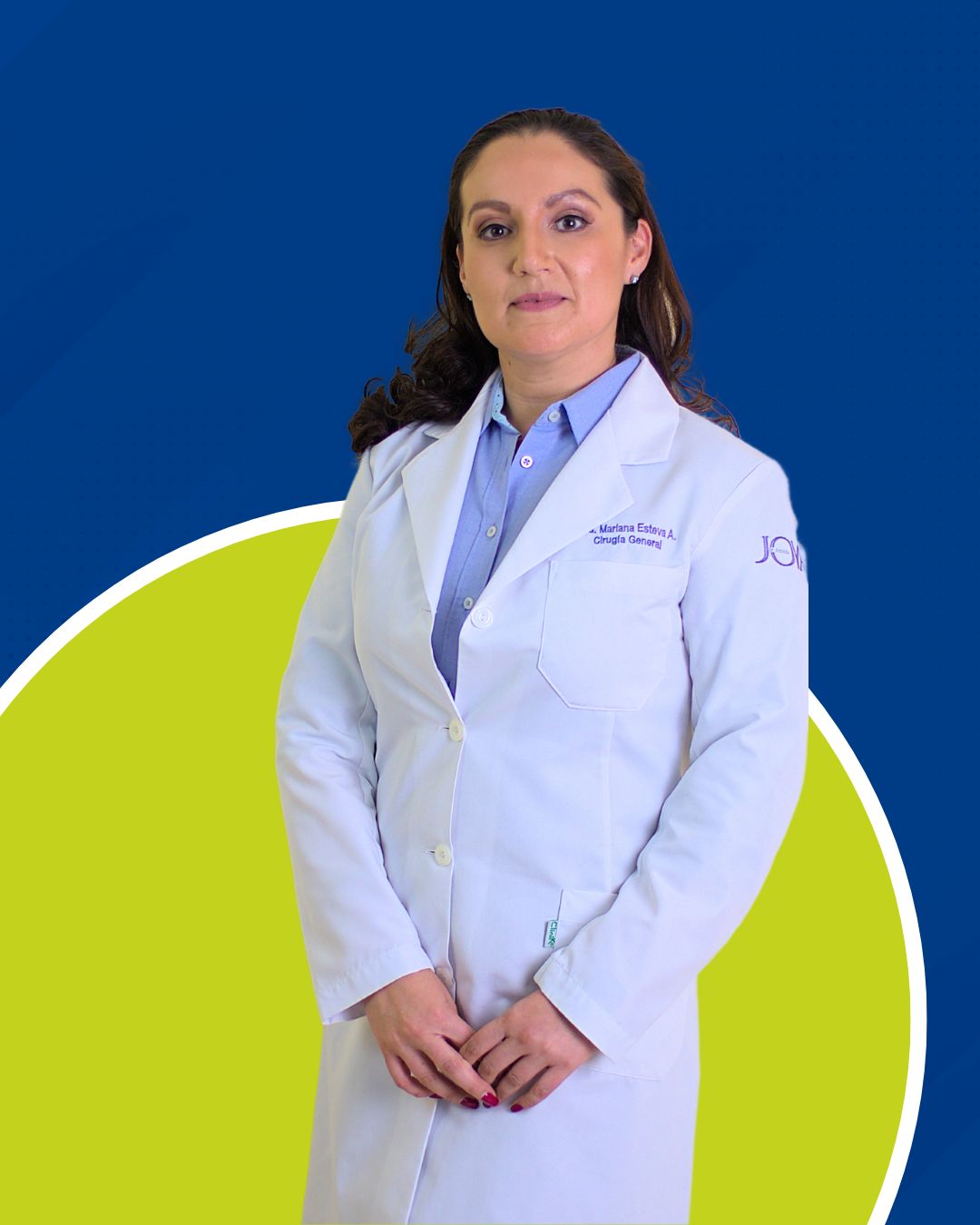
DRA. MARIANA ESTEVA
General Surgeon
DRA. DIANA MIRAMONTES
Nutrition
DRA. LAURA QUINTERO
General Surgeon ⋅ EndoscopyWhat is Bariatric revision?
Bariatric Revision is a follow-up after a weight loss surgery that did not lead to the desired level of success.
Recommended if :
The weight loss is not enough as the surgeon or patient hope for.
The weight loss does not remain and the patient regains weight again.
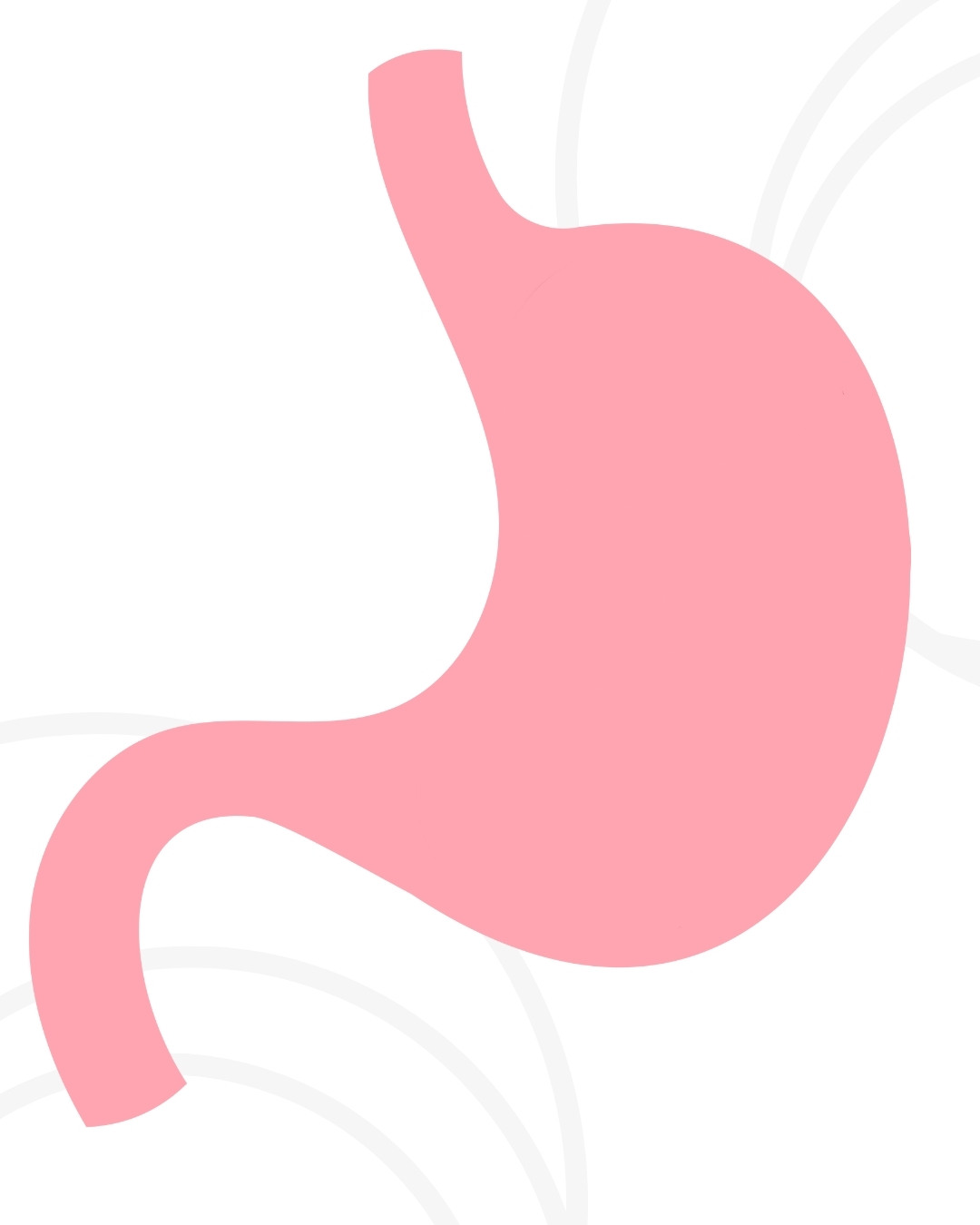
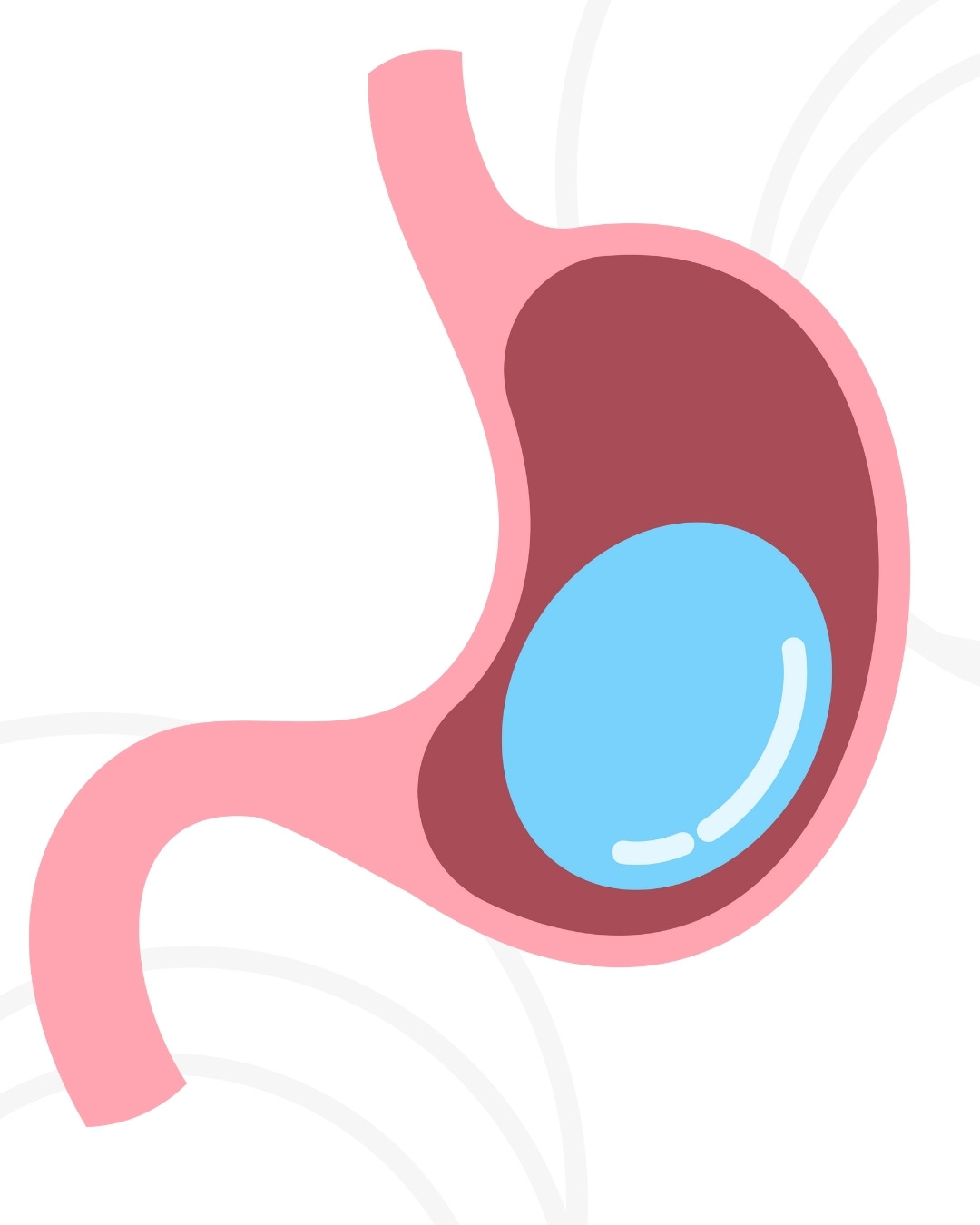
What is Gastric Balloon Surgery?
The gastric balloon occupies space in the stomach, which aims to reduce feelings of hunger.
Gastric Ballon is temporarily placed into the stomach to reduce weight. It is marketed to provide a weight-loss option in selected patients.
ADVANTAGES
- Non-surgical
- Non-invasive
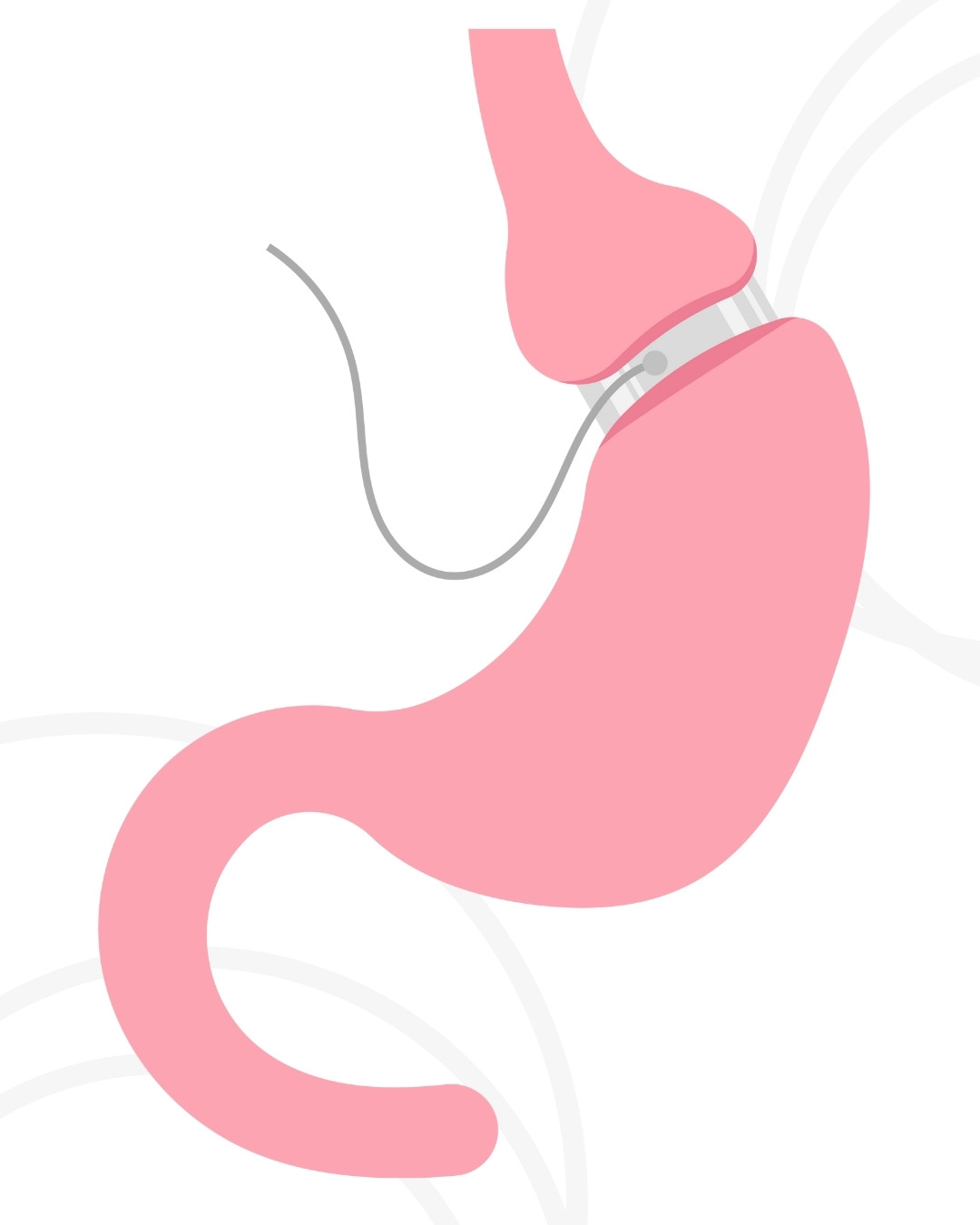
What is Gastric Banding Surgery?
Gastric Banding, is a restrictive weight loss procedure involving a band around the upper part of stomach.
The band limits the amount of food you can eat by making you feel full after eating small amounts of food.
ADVANTAGES
- Reversible Weight Loss Procedure
- No Intestinal Changes or Malabsorption issues
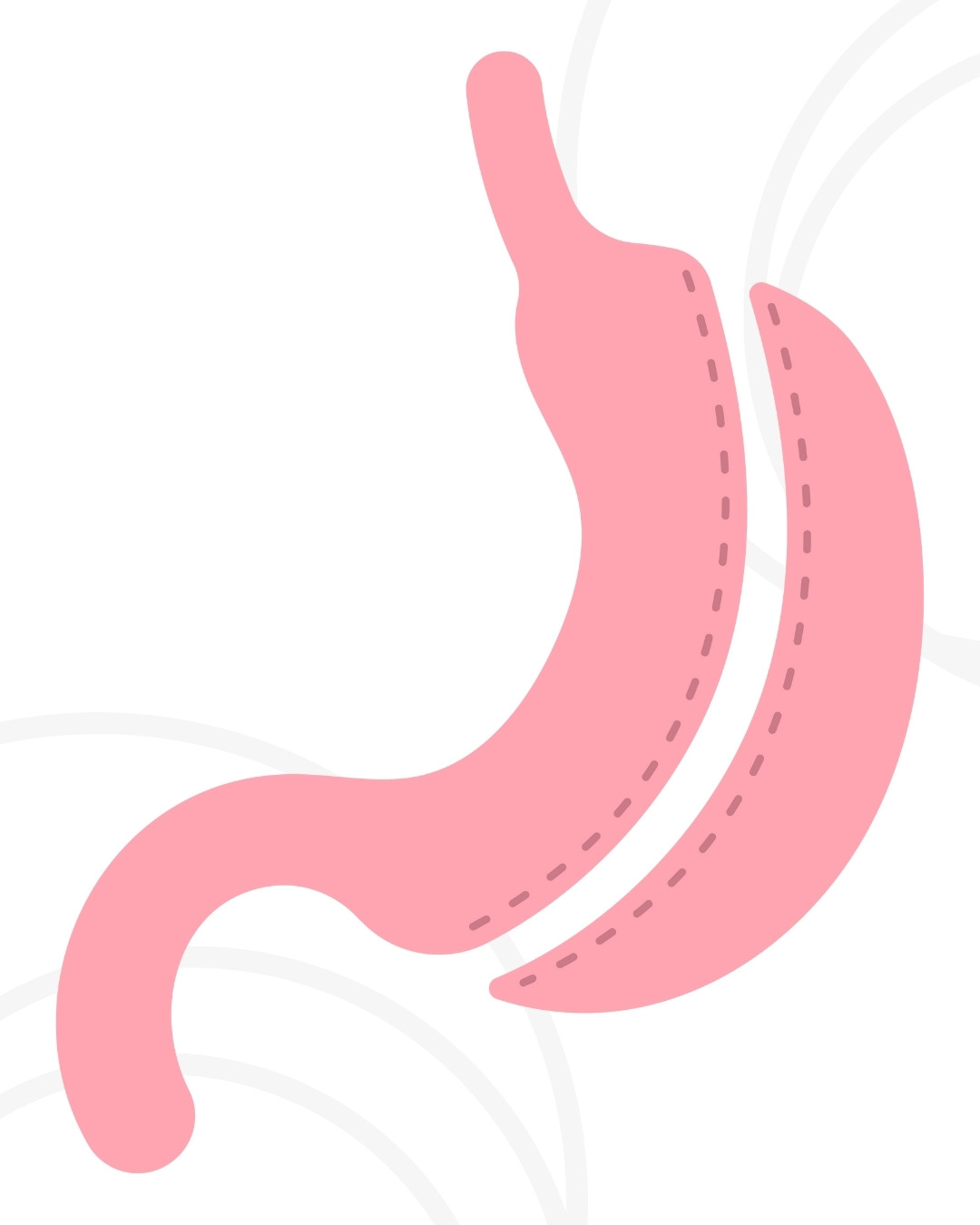
What is Gastric Sleeve Surgery?
Gastric Sleeve Surgery is a surgical weight-loss procedure in which the stomach is reduced to about 15% of its original size.
The new, smaller stomach is about the size of a banana. It limits the amount of food you can eat by making you feel full after eating small amounts of food.
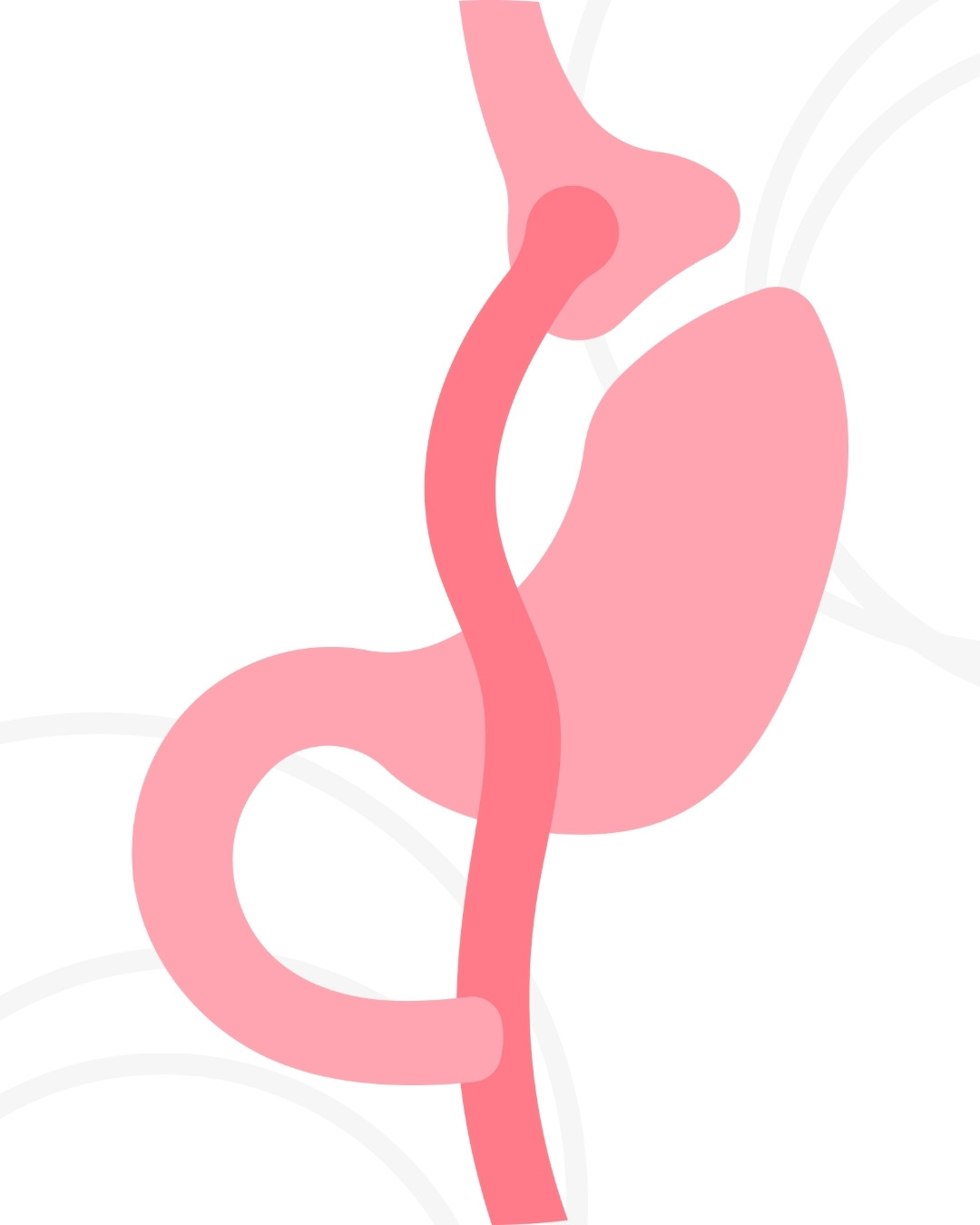
What is Gastric Bypass Surgery?
Is a bariatric procedure that helps you lose weight by changing how your stomach and small intestine handle the food you eat.
ADVANTAGES
- Weight Loss of 60-70 percent
- Improvements in Health Complications Caused by Obesity
Weight loss packages with bilingual staff.
All our packages are performed at a highly specialized hospital in Nuevo Vallarta, Mexico with cutting-edge technology and you will hosted in a beachfront resort.

Nuevo Vallarta, MEXICO
The perfect destination
to start your weight loss journey
As one of the most secure destinations in Mexico, Nuevo Vallarta offers peace of mind and tranquility during your surgical journey.
At the comfort resort located beside the hospital, you can enjoy a seamless transition from surgery to recovery where you will receive full post-operation check-ups, ensuring that your healing process is carefully monitored every step of the way.
Choose Nuevo Vallarta as your destination for weight loss surgery and experience the perfect blend of safety, natural beauty, affordability, and comfort.
highlights in nuevo vallarta
- Most Secure destination in Mexico
- Great beaches and landscapes
- Affordable destination
- Comfort resort beside the hospital
- Full post-operation check ups
Weight Loss Surgery in puerto vallarta
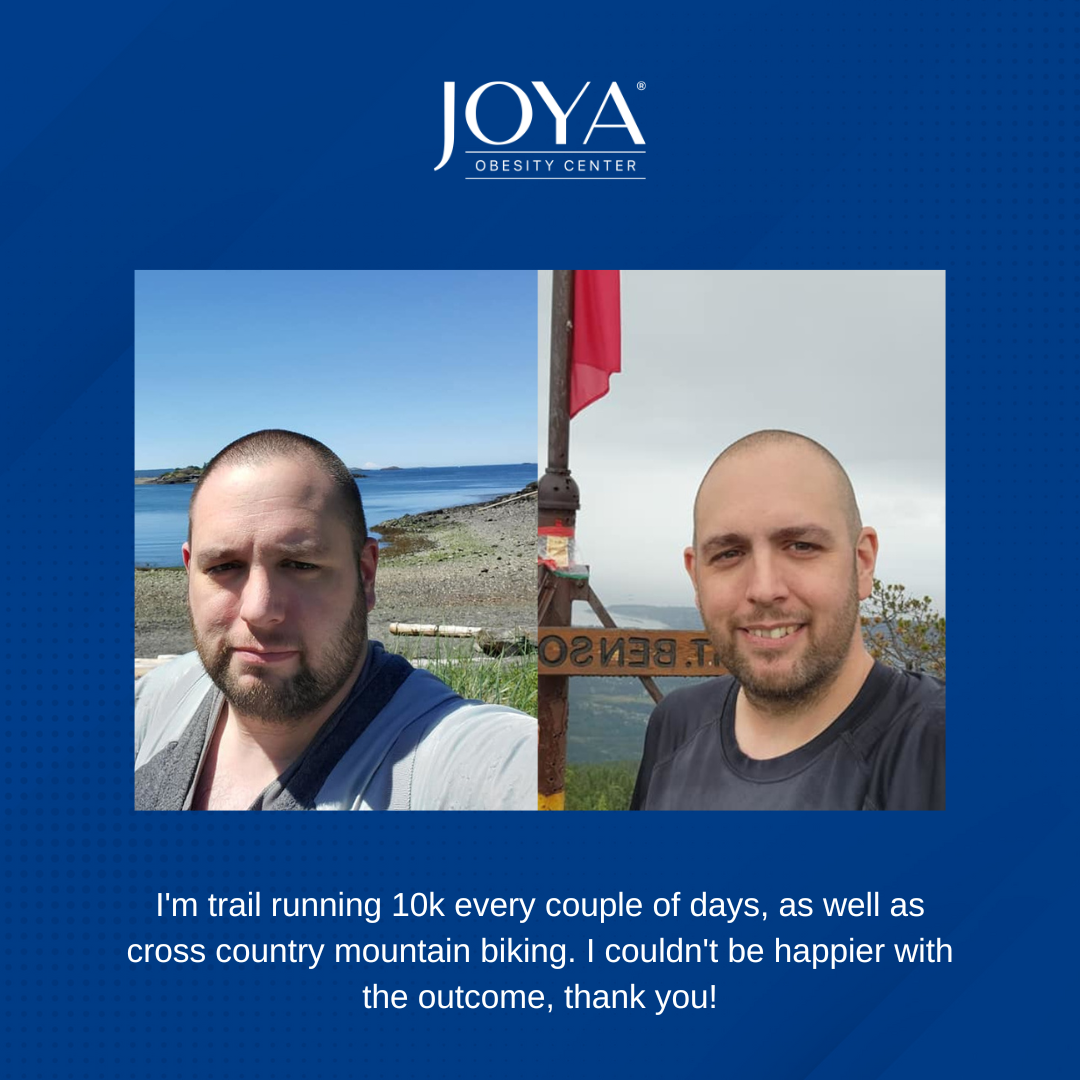
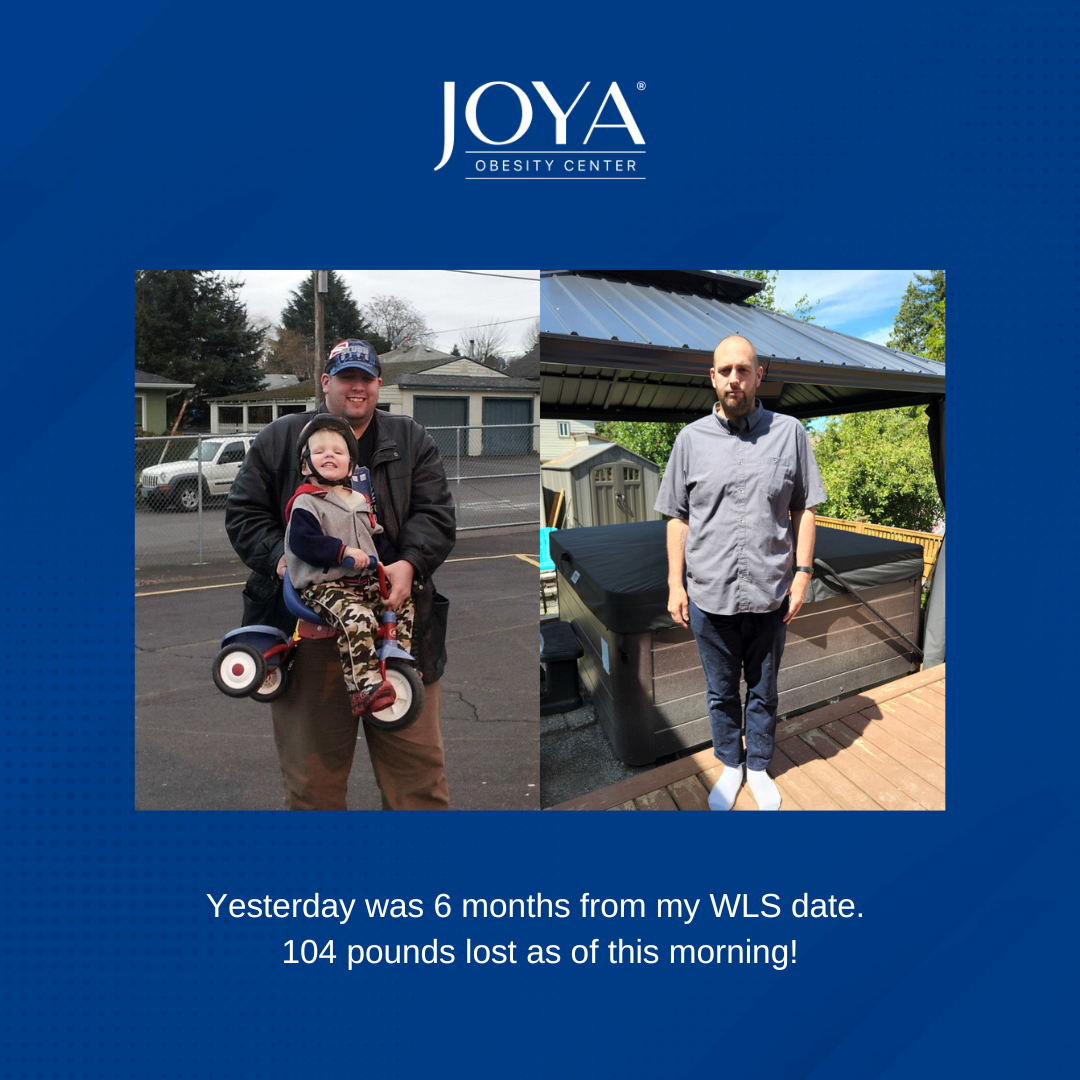
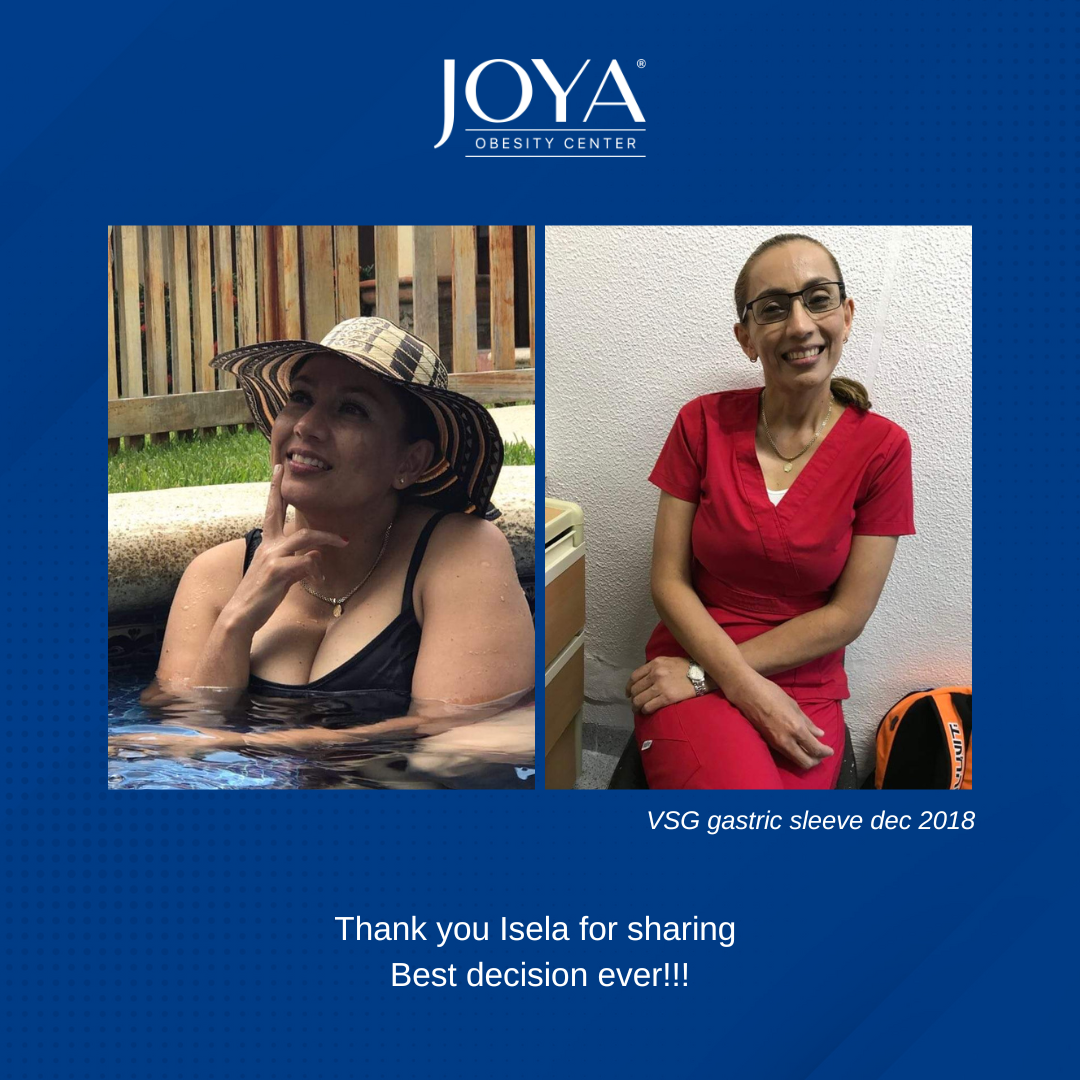
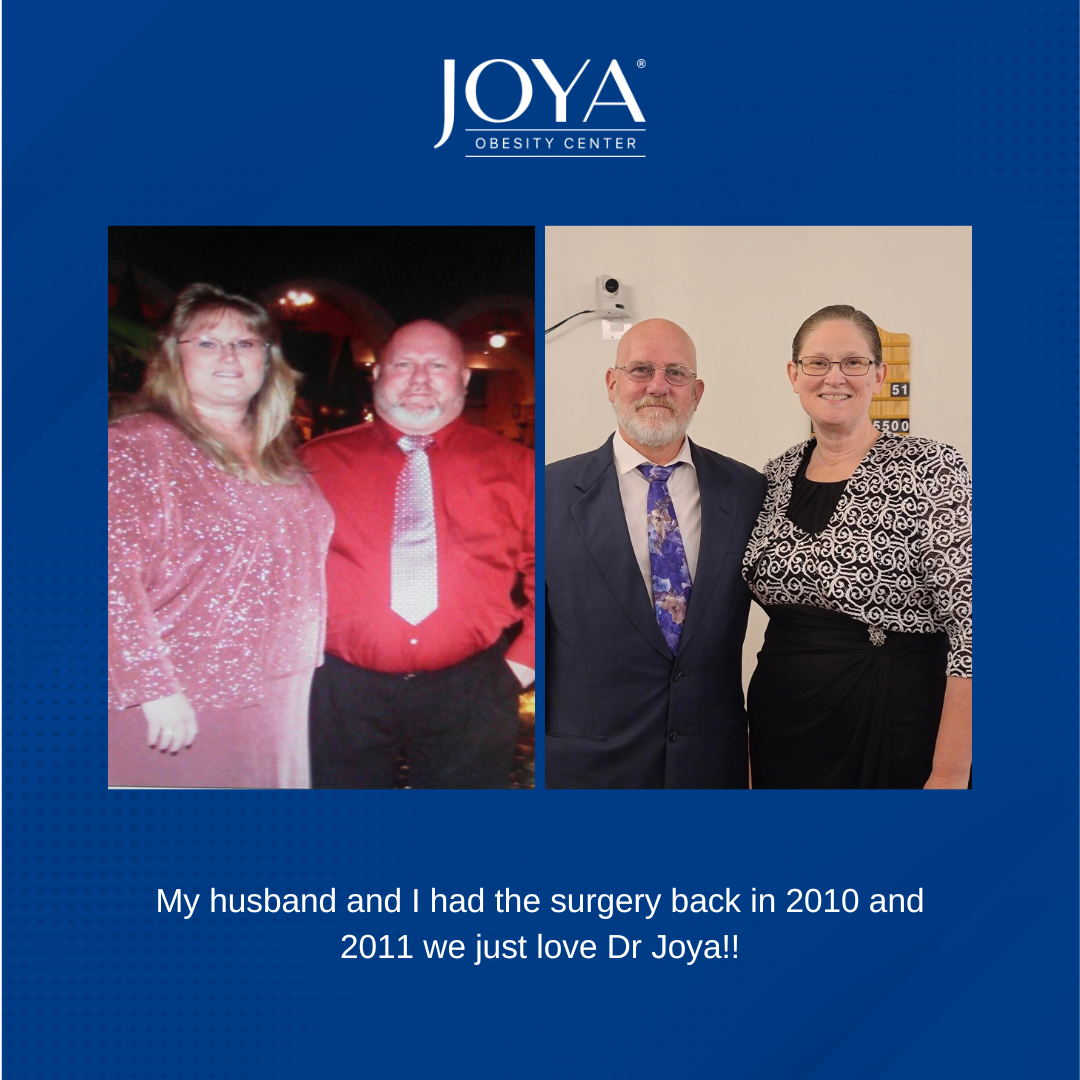
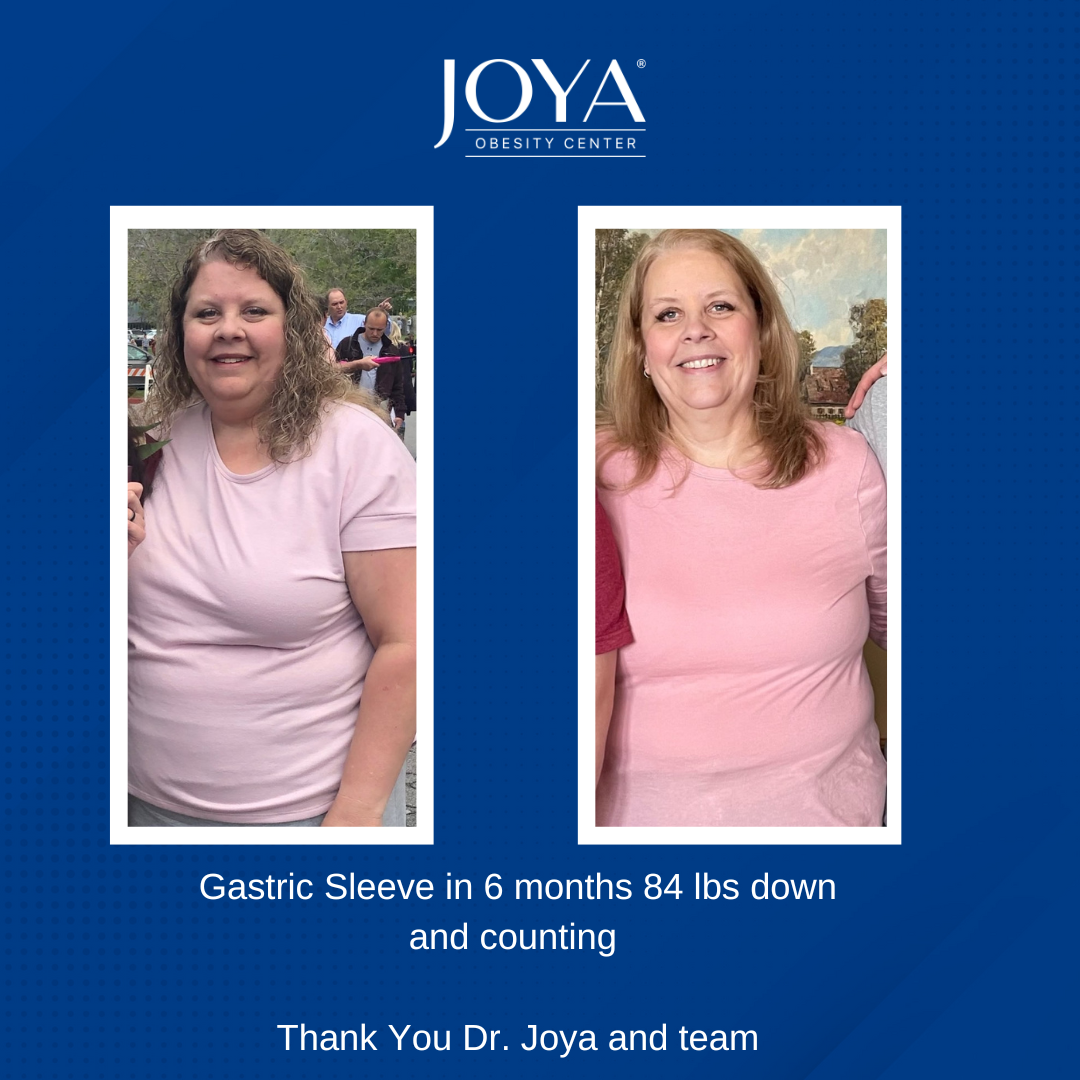
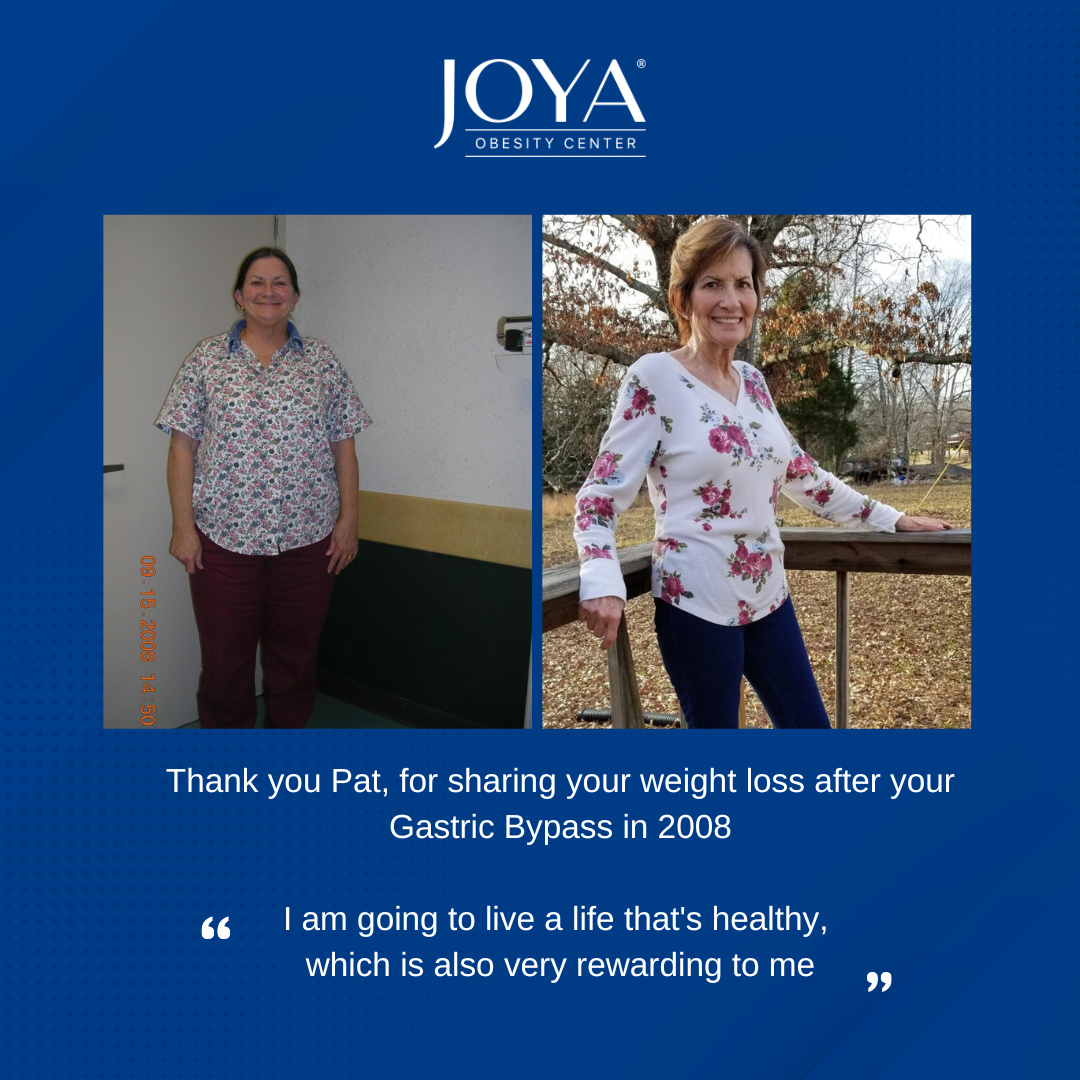
SUCCESS STORIES
Our goal is your well-being
Let us be your trusted partner on your path to a healthier, happier life.
Take the first step in transforming your future by reaching out to us today.
Partners






Partners


