|
Here is
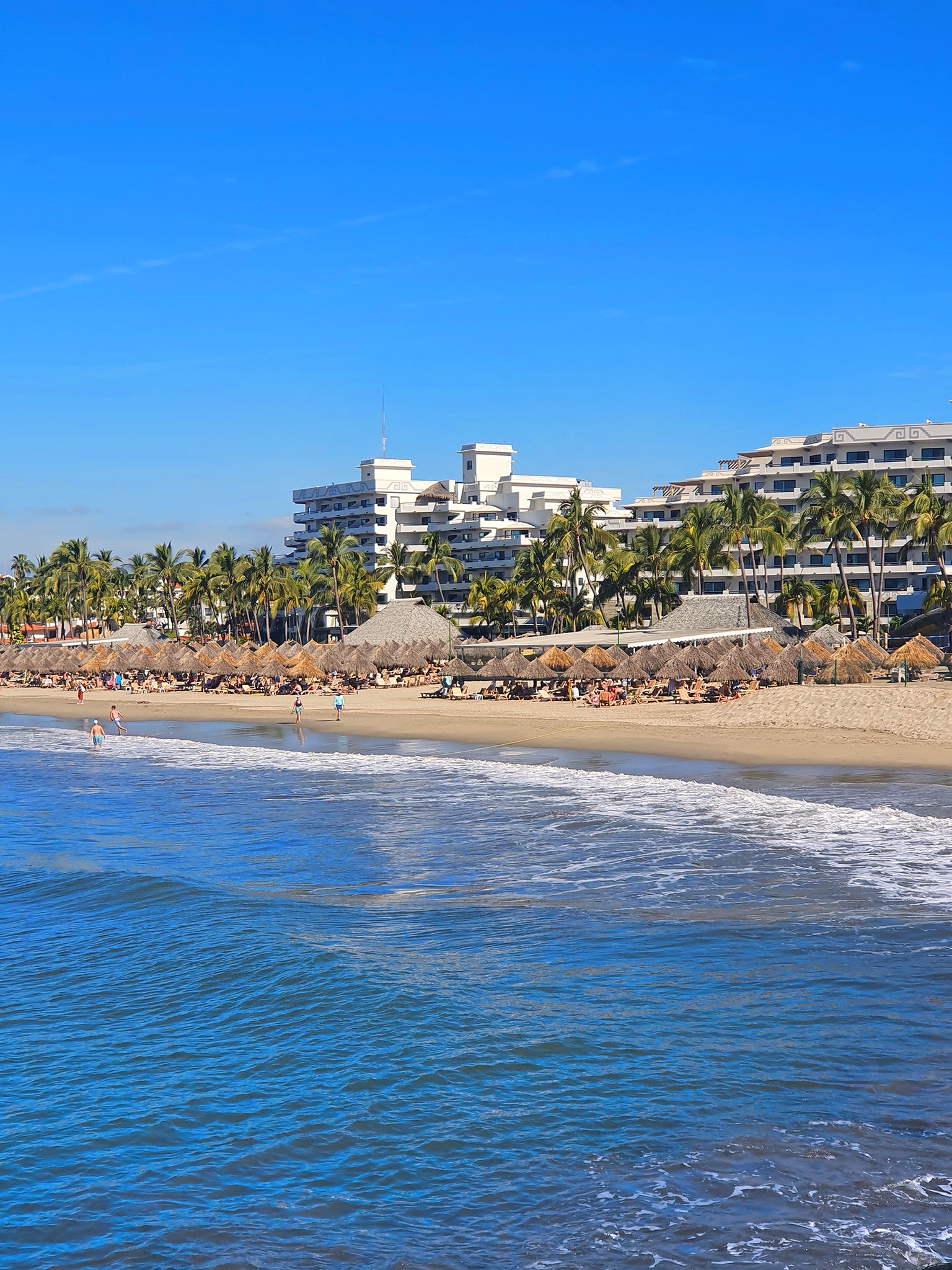
information about our beautiful city... Welcome.
View Larger Map
From Wikipedia, the free encyclopedia
Puerto Vallarta
(Spanish pronunciation: [ˈpwerto βaˈjarta]) is a Mexican resort city
situated on the Pacific Ocean's Bahía de Banderas. The 2010 census
reported Puerto Vallarta's population as 255,725[1] making it the
sixth-largest city in the state of Jalisco. The City of Puerto
Vallarta is the government seat of the Municipality of Puerto
Vallarta which comprises the city as well as population centers
outside of the city extending from Boca de Tomatlán to the Nayarit
border (the Ameca River). The city is located at 20°40′N
105°16′W. The municipality has an area of 502.19 square miles
(1,300.7 km2). To the North it borders the SW part of the state of
Nayarit. To the east it borders the municipality of Mascota and San
Sebastián del Oeste, and to the South it borders the municipalities
of Talpa de Allende and Cabo Corriente.[2] Puerto Vallarta is
named after Ignacio Vallarta, a former governor of Jalisco. In
Spanish, Puerto Vallarta is often shortened to "Vallarta", while
English speakers call the city P.V. for short. The city occasionally
is spelled or pronounced as Porto Vallarta. In internet shorthand
the city is often referred to as PVR, after the International Air
Transport Association airport code for its Gustavo Diaz Ordaz
international airport.

HISTORY
Puerto Vallarta's proximity to the Bay of Banderas, the agricultural
valley of the Ameca River, and the important mining centers in the
Sierra have given the town a more interesting past than most Mexican
tourist destinations. Puerto Vallarta was a thriving Mexican village
long before it became an international tourist destination. Tourism
was a major economic activity because of the climate, scenery,
tropical beaches, and rich cultural history. For a sense of the
extent even of the city's modern history, note that Puerto Vallarta
and Seattle were founded in the same year 1851.
THE MODERN
RESORT - 1960s to the present

Four
influences converged during the 1960s and early 1970s to launch
Puerto Vallarta into its trajectory toward becoming a major resort
destination. First the federal government finally resolved
century old property disputes involving the status of communal land
originally appropriated from the Union en Cuale mining company to be
parceled out as farms. The communal (ejido) status of the land had
stifled development in the town for much of the 20th century. The
transition to private ownership of much of the land within present
city limits culminated in the appropriation of much of the land in
1973 and the establishment of the Vallarta Land Trust (Fideicomiso)
to oversee selling the land and using the revenue to develop the
city's infrastructure. Second, the American director John Huston
filmed his 1963 film The Night of the Iguana in Mismaloya, a small
town just south of Puerto Vallarta. During the filming, the US media
gave extensive coverage to Elizabeth Taylor's extramarital affair
with Richard Burton, as well as covering the frequent fighting
between Huston and the film's four stars. The subsequent publicity
helped put Puerto Vallarta on the map for US tourists. Third, in
the late 1960s and early 1970s, the Mexican government invested in
the development of highways, airport and utility infrastructure,
making Puerto Vallarta easily accessible both by air and ground
transportation for the first time. The city's first tourist boom
occurred in the late 1960s and early 1970s because of this work.
During those years most tourists in Puerto Vallarta were Mexican,
and the reason they started travelling to Puerto Vallarta then was
because the trip between Guadalajara and Puerto Vallarta was made
sufficiently convenient because of the governments investment in
infrastructure. Finally, in 1968 the municipality was elevated to
the status of a City. The change in status reflected the renewed
interest shown by the federal and state government in developing the
city as an international resort destination.
 Also
significant was the August 1970 visit of US President Richard Nixon
who met with Mexican President Gustavo Díaz Ordaz in Puerto Vallarta
for treaty negotiations. The visit showcased Puerto Vallarta's
recently developed airport and resort infrastructure, and thus
contributed to the growing visibility of the city as a resort
destination.

Prior to 1973, hotels in the city tended to be modest, and only two
large sized luxury hotels existed (the Real and the Posada
Vallarta). After 1973, Puerto Vallarta experienced rapid growth in
the number of larger luxury hotels, culminating in 1980 with the
opening of the Sheraton Buganvilias. In 1982, the peso was devalued
and Puerto Vallarta became a bargain destination for US tourists.
Consequently, the mid-1980s saw a marked and rapid rise in the
tourist volume. This in turn fueled more development, for example
the Marina which was started in 1986. By the early 1990s,
development of other destinations in Mexico like Ixtapa and Cancún
caused a slump in travel to Puerto Vallarta. It was also during
the early 1980s that Puerto Vallarta experienced a marked increase
in problems related to poverty. While the devaluation of the peso
brought record numbers of tourists to the area, it also stifled
investment and thus construction. So while more and more workers
were arriving in Puerto Vallarta to try to cash in on the booming
tourist trade, less and less was being done to accommodate them with
housing and related infrastructure. So during the mid-1980s the city
experienced a rapid growth in impromptu communities poorly served by
even basic public services, and with a very low standard of living
as the boom of the early 1980s leveled out. During the late 1980s,
the city worked to alleviate the situation by developing housing and
infrastructure, but even today the outlying areas of Puerto Vallarta
suffer from poor provision of basic services (i.e. water, sewage,
roads) as a legacy of the early 1980s. In 1993, the federal
Agrarian Law was amended allowing for more secure foreign tenure of
former ejido land. Those controlling ejido land were allowed to
petition for regularization, a process that converted their
controlling interest into fee simple ownership. This meant that the
property could be sold, and it led to a boom in the development of
private residences, mostly condominiums, and a new phase of Puerto
Vallarta's expansion began, centered more on accommodating retirees,
snow-birds, and those who visited the city enough to make purchasing
a condominium or a time-share a cost-effective option.
LANDMARKS IN PUERTO VALLARTA Landmarks in Puerto Vallarta
 Parish
Church of Our Lady of Guadalupe - Col. Centro Púlpito and Pilitas
(Pulpit and Baptismal Font) - Col. Emilio Zapata - two rock
formations at the South end of Los Muertos Beach. El Púlpito is the
tall headland and Las Pilitas are the formation of rocks beneath it.
Las Pilitas was the original location of the Boy on a Seahorse
sculpture (El Caballito) now located on the Malecón. There are two
streets in the Olas Altas area named after the rock formations.
Playa Conchas Chinas (Chinese Shells Beach) - Fracc. Amapas - the
city's most secluded beach, located to the South of the headland
which forms the boundary of Los Muertos beach. The Malecon -
paved walkway along the seashore in Col. Centro - especially popular
during the Sunday evening paseo. It features a collection of
contemporary sculptures by Sergio Bustamante, Alejandro Colunga,
Ramiz Barquet and others. The Malecon was extensively rebuilt in
2002-2003 following damage from hurricane Kenna. Mercado Isle
Cuale and Mercado Municipal Cuale - there are two large public
markets in the Centro along the banks of the Cuale selling a variety
of artisanal and souvenir goods, and the Isla Cuale has a number of
souvenir vendor shops as well. The Isla Cuale was also famous for
its cat population. The Island was a lower class suburb until
flooding during Hurricane Lily (1971) forced residents to be
relocated. They were moved to Palo Seco (which means for dry stick)
and the Island was converted into a site for restaurants, shops and
a cultural center. Cuale Archaeological Museum - on the West side
of the Isla Cuale, the museum presents a significant collection of
local and regional pre-Hispanic art in a number of informative
displays. The museum also houses a small gallery for showing
contemporary art. John Huston statue on Isla Cuale - dedicated on
the 25th anniversary of the film's release and honoring Huston's
contributions to the city. John's son Danny was married in a
ceremony that took place at the statue in 2002. Plaza de Armas
(Ignacio Vallarta) / Aquiles Serdan Amphitheater (Los Arcos) - the
city's main plaza - site of public concerts both at the bandstand in
the Plaza de Armas and on the stage in front of the arches across
the street. City Hall - a modern city hall laid out using a
traditional courtyard plan. There is a tourist office in the SW
corner, and on the landing of the main (West off the courtyard)
stairwell there is a modest naive style mural by local artist Manuel
Lepe. Saucedo Theatre Building (Juarez at Iturbide) - Built in
1922 in a Belle Epoque style reminiscent of architecture of the
Porfirato. The theater presented live shows and films on its first
floor, and the second floor housed a ballroom. The building has been
converted to retail use. Landmarks south of Puerto Vallarta
Los Arcos Marine Natural Area - offshore of Mismaloya 12 km south of
Puerto Vallarta. The area has been a National Marine Park since
1984. The area is protected as a breeding ground for pelicans,
boobies and other sea birds. The park is a popular snorkeling
destination both for the rocks themselves and for the dead coral
fossilized coral beds that surround them. Vallarta Botanical
Gardens - A popular showcase of orchids, agaves, cactus, palms, and
other native plants. A restaurant and river swimming is also
available to visitors. The gardens are located 14 mi (23 km) South
of Puerto Vallarta on Highway 200. Buses for the Vallarta Botanical
Gardens depart from the corner of Carranzas and Aguacate Streets in
the Zona Romantica and are labeled as both "El Tuito" and "Botanical
Gardens". Puerto Vallarta Zoological Gardens - with 350 animals,
and located in a forested setting in Mismaloya. Landmarks north
of Puerto Vallarta University of Guadalajara's Coastal Center -
North of Pitillal and West of Ixtapa, the campus features several
public attractions including the Peter Gray Art Museum and a
Crocodile Farm. Ixtapa Archeological Zone - north of the town of
Ixtapa along the banks of the Ameca River there is an archeological
site with remains going back several thousand years. The site
comprises 29 mounds. The largest measures 40 meters in diameter and
8 meters in height. The site also includes the remains of ceremonial
ball court. The original inhabitants of the site were vassals of the
Aztatlán kingdom which was located in Western Jalisco between 900
and 1200 AD. The site is the oldest explored in Western Jalisco. The
digs have uncovered a number of residential and ceremonial sites, a
wealth of pottery (incense burners, bowls, amphora, etc.). Many of
these objects are on display at the Rio Cuale Island Museum.
Landmarks east of Puerto Vallarta Terra Noble Art and Healing
Center - a New Age spa, meditation center and artist retreat on the
hills east of Puerto Vallarta along the edge of the Agua Azul Nature
Reserve overlooking Bahía de Banderas. The complex, built to
resemble an early Mexican wattle and daub home was created by
architect Jorge Rubio in conjunction with American sculptor Suzy
Odom. Beaches and beach towns

Beaches in Puerto Vallarta Playa Camarones (Shrimp Beach) - Col.
5 de Deciembre (vicinity of Av. Paragua - Hotel Buenaventura. This
is the northernmost public beach in the City of Puerto Vallarta
proper. It is named after the shrimp fisherman that once landed
their launches on the beach to unload their catch. Playa Olas
Altas (High Waves Beach) - Col. Emilio Zapata - the beach extends
from the Cuale River South to the fishing pier. In spite of the
name, the waves offshore are not particularly high, and the beach is
a popular place to swim, especially for locals and national
tourists. The beach is lined with outdoor restaurants. Playa Los
Muertos (Beach of the Dead) - Col. Emilio Zapata - the city's
largest public beach. Legend has it the beach's name (Dead Men's
Beach) stems from a battle between pirates and local miners after
which bodies remained strewn on the beach, but it's a legend, since
there were never any miners in Vallarta The South Side of the beach
is a popular gathering spot for gay and lesbian tourists. The North
end is frequented mostly by locals, and national tourists. The city
has recently tried to change the name of the beach to Playa del Sol.
Playa Boca de Tomates (Mouth of Tomatoes) - a beach located near the
mouth of the Ameca River. The beach is not very popular among
international tourists due to the rocks that come ashore especially
in the summertime. Also watch out for Crocodiles. Its proximity to
the Ameca River which carries muddy rainwater in the summertime
causes the water to lose its clarity making it appear dirty.
Beaches South of Puerto Vallarta Playa Gemelas - an undeveloped
beach just North of the mouth of the Mismaloya river. The beach lies
close to Los Arcos Marine Natural Area and can be used for access to
the park from shore. Playa Mismaloya - at the mouth of the
Mismaloya River. The beach was featured in several scenes from Night
of the Iguana and the main set was located on hillside to the South
of the beach. The beach is developed with a number of restaurants.
South Shores beaches A number of beaches along the South shore of
the bay are accessible only by boat (from Boca de Tomatlan or the
Los Muertos Pier). The developed beaches include (east to west): Las
Animas, Quimixto, Majahuitas and Yelapa. These and other smaller
undeveloped beaches can be reached by launch from Boca de Tomatlán.
Playa Las Animas - a narrow wide white sand beach developed with
several restaurants. Playa Las Caletas - a secluded beach that
was once the private retreat of film director John Huston. Today it
is a wildlife preserve. There is a living natural reef close to
shore which makes the beach a popular destination for snorkelers.
Playa Quimixto - a somewhat rocky and secluded beach which is
settled by a small village of a several hundred families. There are
horse and guide hire concessions in the town which lead visitors
through a small canyon behind the town to a series of waterfalls.
Yelapa - once a small electricity free fishing village and a popular
'hide away' for Gringos, now it has electricity, telephones and the
internet. Visited by tourist boats for about 3 hours a day, it
reverts to its laid back ways when they leave. Beaches north of
Puerto Vallarta The north shore of the bay is lined with beach
towns that offer good wading beaches and the usual tourist
amenities. These include (east to west): Bucerias, Cruz de
Huanacaxtle, Playa la Manzanilla, Playa Destiladeras, Playa Pontoque,
and Punta Mita, all in the State of Nayarit. All can be reached by
bus (departing from Wal-Mart).
|

|
|
|
|
|
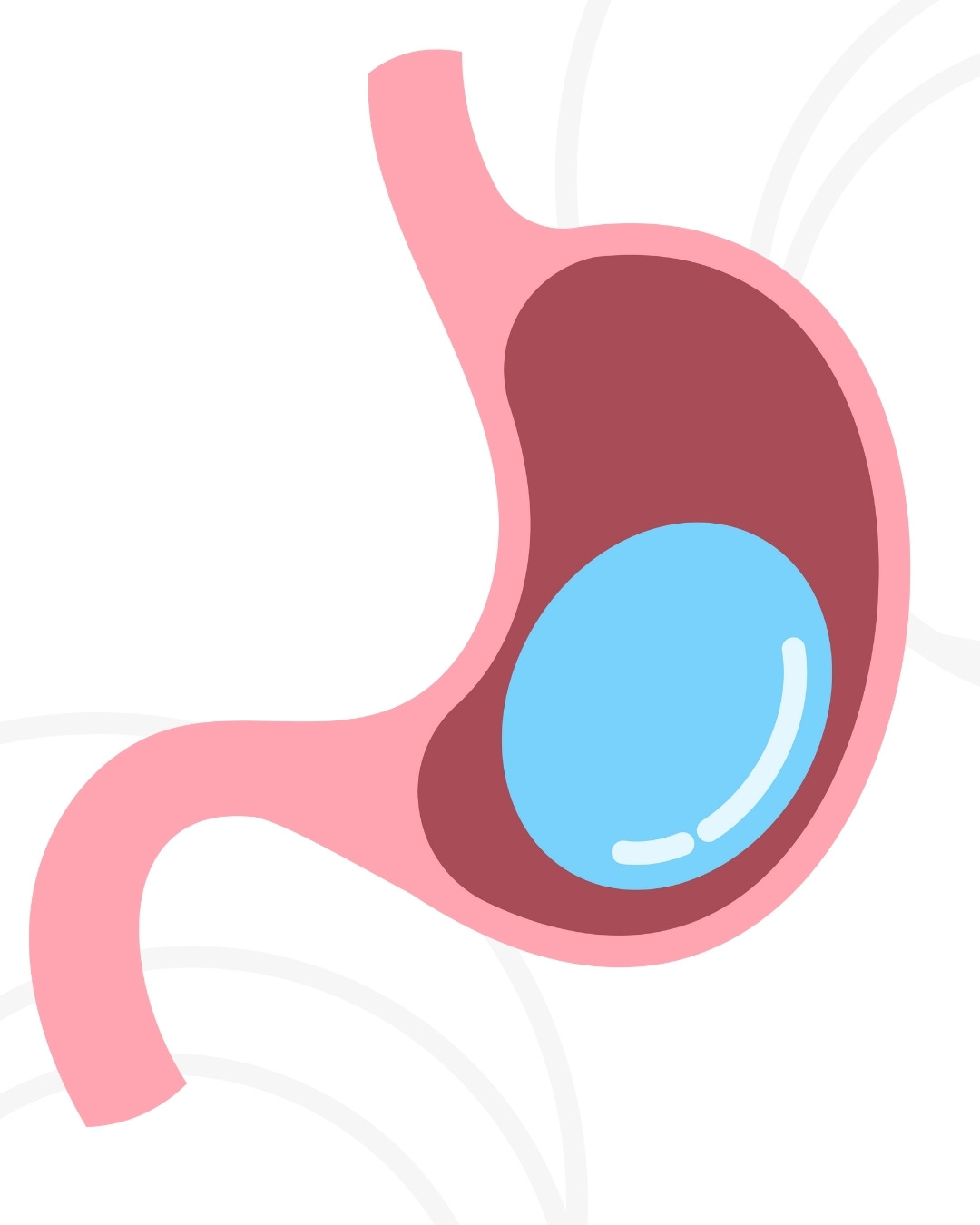
• Bariatric Surgery
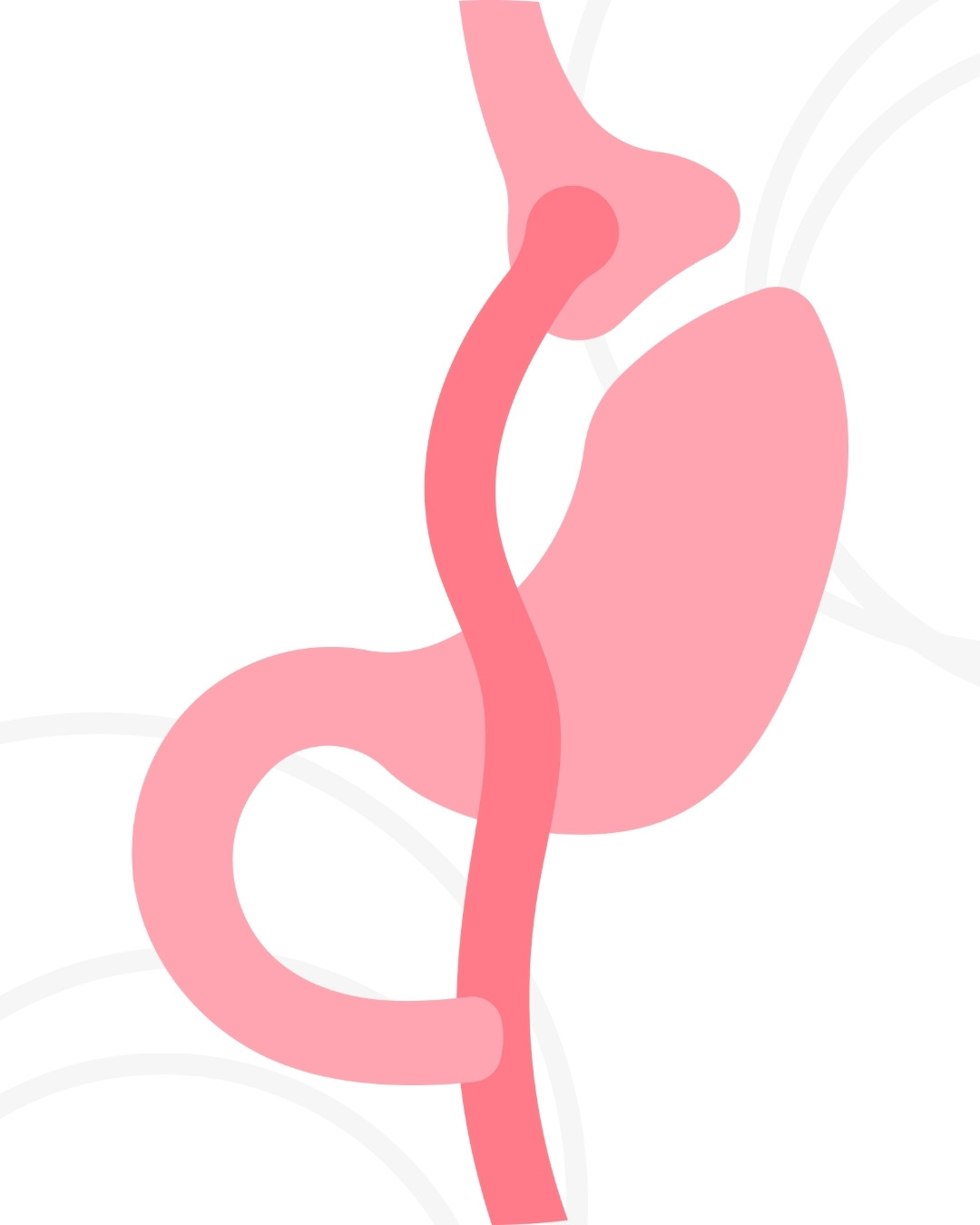
• Gastric Bypass
• Gastric Sleeve
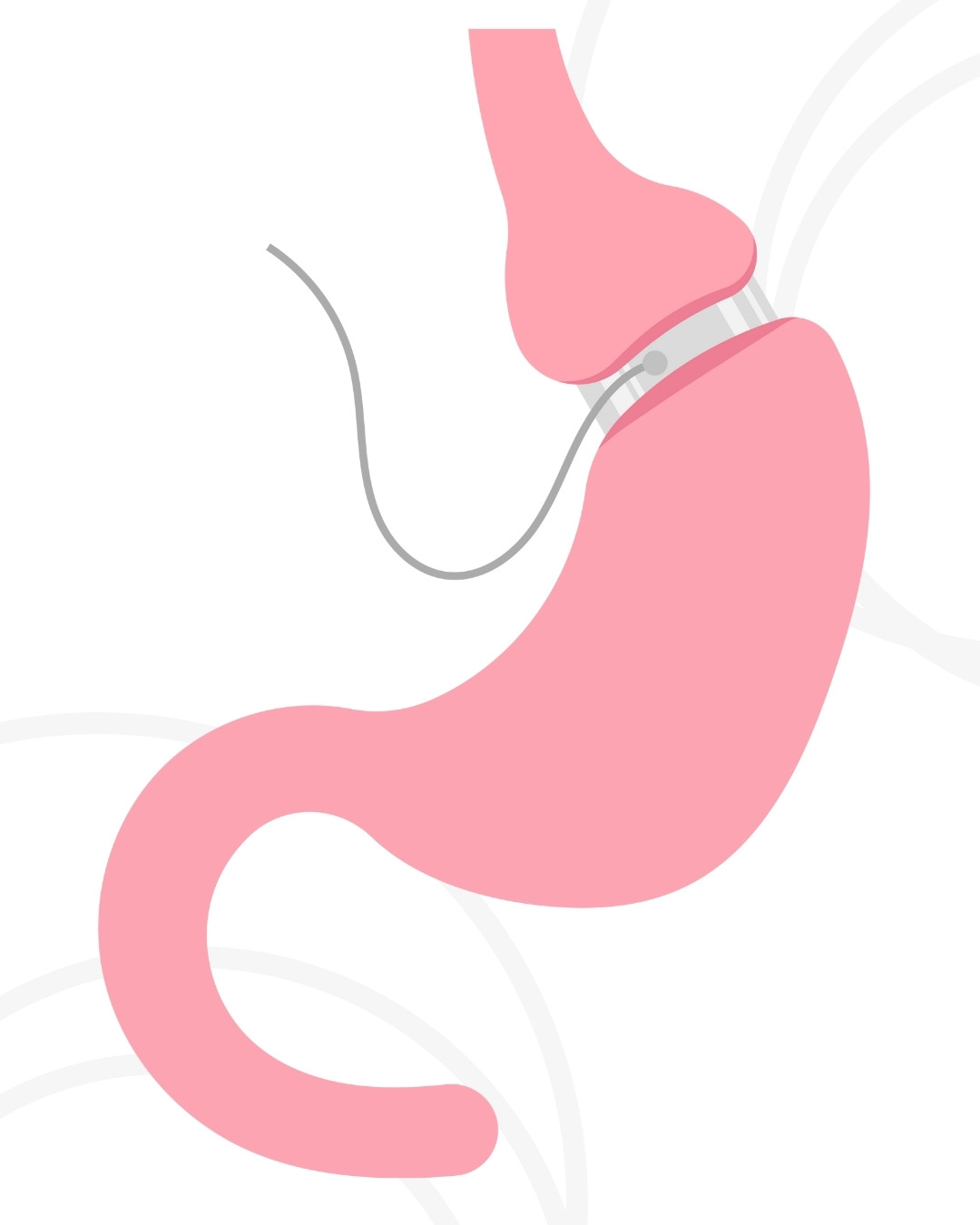
• Lapband
• Bariatric Revisions
• Hernia Surgery
• Dental Work available
• Plastic Surgery available |
• Beach Resort Vacation
• Medical Staff visits the hotel
• Fly directly into PVR
• No 3 hour border crossing
• Airport Pickup
• All Tests included
• R/T Airfare available
• US Passport Book Required! |
 |
|
|
Please feel free to contact us with any questions, concerns, that you
may have regarding our services. If you would like to contact us via
e-mail, please forward your information to
info@drjoya.com and one of our friendly staff members will
contact you directly or via email within 24 hours. We can provide you
with a risk free price quote based on the information
you provide. You may also call us toll free at 866.509.0571 or
817.405.2778 |
|
|
|
At DrJoya.com we are all well trained, and bilingual,
speaking both English and Spanish. We have been working in the
Medical Tourism industry for more than 13 years. By selecting Dr.
Joya you not only get the best doctors in Puerto Vallarta to assist
you during your surgery, you also get top notch care before surgery,
where you questions are answered usually in less than 24hours, to
post op where we are here for you as well. If you don't have
insurance and are looking to go overseas for weight loss surgery, then let
us
bring you to beautiful Puerto Vallarta. Our staff will get you the
answers to your questions and assist you
with getting all of your travel preparation needs in order.
Our staff will also assist you with any other specific needs you may
have.
All of the Doctors and
staff that work with Dr. Joya speak English and are University trained. The Hospital
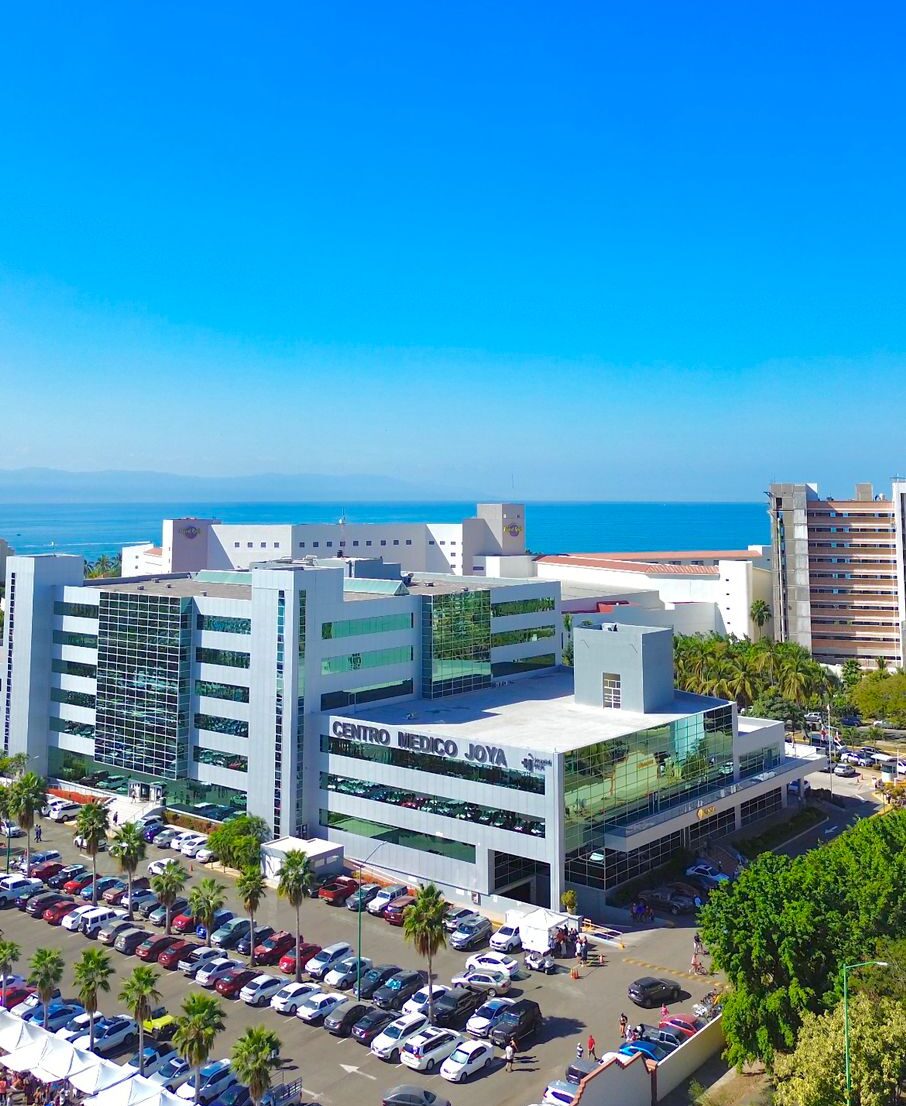
is also accredited and is located in the heart of Puerto Vallarta and accessible from every
hotel. The hotel and hospital is about 10 minutes from the airport. |
|
| We are completely committed
to delivering quality medical care to prospective patients.
With Dr. Joya you not only get the doctor who leads Mexico in
Gastric Bypass surgery, but you also get the doctor who
pioneered the Gastric Sleeve surgery in Mexico. Dr. Joya
is on the cutting edge of technology working on a cure for Type
2 Diabetes in non-obese patients, and he is also a
Gastroenterologist. By having done over 7500 laparoscopic
procedures including the Gastric Bypass and Gastric Sleeve
surgery, he has helped patients worldwide lose millions of pounds a year,
and all of these treatments can be done at savings over what
they cost in the US. The Amerimed hospital in Puerto
Vallarta has been approved by and work with most major American
Insurance companies. |
|
|